

What are some potential challenges when selling a flat as-is for cash?
Potential challenges include receiving a lower offer because the buyer is pricing in repair costs and risk, as well as resolving flat-specific issues such as lease length, service-charge arrears, major works, title restrictions or missing management information. Legal checks can also uncover defects or documentation gaps that delay completion, even when the buyer is paying cash.
Selling a flat as-is for cash can remove the need to prepare the property for the market, but it does not remove the checks and decisions required for a legally sound sale. The main challenges are establishing an accurate net proceeds figure, managing the condition and contents of the flat, meeting the buyer’s due-diligence requirements, and coordinating the leasehold and completion paperwork.
Condition and disclosure can be difficult to manage. An as-is sale generally means the buyer accepts the property in its present condition, but it does not give the seller permission to conceal known problems. Information about damp, alterations, disputes, damage, insurance claims or previous works may still need to be disclosed through the solicitor’s enquiries. An inaccurate answer can create a risk of a later claim for misrepresentation, even if the buyer has inspected the flat.
The seller may also need to decide what will remain in the property. Fitted appliances, light fittings, floor coverings and other fixtures should be identified clearly in the contract or property information forms. Leaving unwanted furniture, rubbish or personal belongings behind can create additional removal and disposal work, particularly if the buyer expects vacant possession. Access for inspections, meter readings and final checks can be another practical issue where the flat is occupied, tenanted or difficult to access.
The buyer’s cash position does not eliminate due diligence. A cash purchaser may still ask for evidence of ownership, identification, source-of-funds information, property forms and searches. The buyer may arrange a survey or specialist inspection, and the results could lead to further questions or a revised view of the transaction. A seller should therefore avoid treating an initial offer as the same as the final amount that will necessarily appear in the contract.
Working out the money available on completion can be more complicated than expected. The gross sale price may need to be reduced by the outstanding mortgage balance, any early repayment charge, solicitor’s fees, removal costs and other transaction expenses. The lender’s redemption figure can change, so it is sensible to obtain an up-to-date statement and ask the conveyancer to calculate the expected net proceeds. If the flat is jointly owned, the owners should also agree in advance how the proceeds will be distributed.
Tax can create a separate issue. The seller should consider whether the transaction has implications for Capital Gains Tax, particularly where the flat has been let, used as a second home or owned by someone who does not live there as their main residence. The appropriate tax advice depends on the owner’s circumstances, so it should be obtained independently rather than assumed from the fact that the sale is for cash.
Leasehold administration can introduce dependencies outside the seller’s direct control. The solicitor may need cooperation from the freeholder, managing agent or residents’ management company for items such as notices, certificates, transfer procedures or confirmation of accounts. Delays can occur if responsibility for a document is unclear, a consent is required, or the seller has not kept records of alterations and correspondence. Checking the lease and asking the conveyancer early which parties must be contacted can reduce avoidable follow-up.
There can also be complications where the flat is being sold after a change in personal circumstances, following an owner’s death, or while ownership is disputed. Probate authority, powers of attorney, divorce arrangements or multiple registered owners may affect who can sign and what evidence is needed. The person dealing with the sale should confirm that the legal ownership position matches the proposed contract before committing to a completion date.
Before accepting an as-is cash offer, a seller should ask the conveyancer to confirm:
- who owns the flat and who must sign the sale documents;
- what fixtures, fittings and belongings are included;
- the likely mortgage redemption amount and estimated net proceeds;
- whether any tax advice is appropriate;
- which searches, inspections, certificates or consents are expected; and
- what information the buyer needs to verify funds and complete the purchase.
These checks help distinguish a genuinely straightforward as-is sale from one where unresolved ownership, disclosure, access or administration issues could affect the agreement. A cash buyer can make the funding structure simpler, but the seller remains responsible for providing accurate information and instructing a conveyancer who understands the flat’s ownership and lease arrangements.
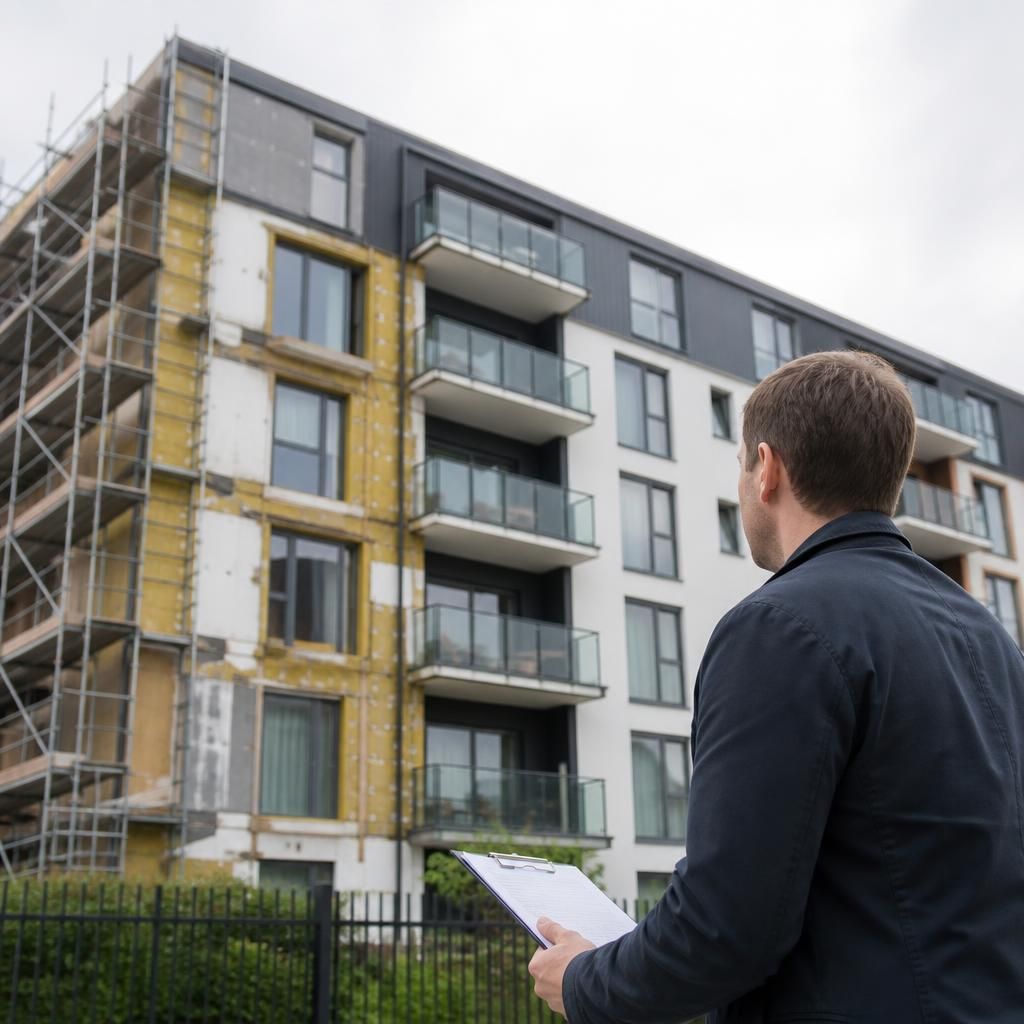
Building-safety issues can remain a significant challenge when selling a flat as-is for cash. Cladding, fire-safety works, structural defects or planned remediation may affect the buyer’s assessment even where no mortgage lender is involved. The buyer may ask for evidence of inspections, remediation plans, building insurance and any notices issued by the freeholder or managing agent.
These matters can be difficult to verify because relevant information may be held by the building owner or management company rather than the seller. If the position is unclear, the buyer may seek further information, adjust the offer to reflect potential liability or reconsider the purchase. Sellers should give their conveyancer copies of relevant notices, correspondence and consultation documents, and avoid presenting unresolved building issues as settled.
Ask About Selling Your Flat As-Is for Cash
If you are considering selling your flat as-is for cash, contact buyhousesfast.co.uk to discuss the property and the issues that may affect the sale. Obtain independent conveyancing advice before accepting an offer so you understand the contract and expected net proceeds.